
What characterises energy drinks?
The composition of energy drinks varies by product, but three features are common:
- Energy: sugar-containing versions provide readily available carbohydrate and thus energy. A typical sugar-containing energy drink provides approximately 45 kcal per 100 ml.
- Alertness: caffeine is a common ingredient of energy drinks. A typical energy drink contains around 32 mg of caffeine per 100 ml; the precise quantity is on the product label.
- Vitamins and other ingredients: many products also contain B vitamins and other ingredients that vary from product to product.
Typical energy drink ingredients
Recipes differ. Open each infographic for details; for the exact composition, always refer to the current product label.
 WaterOpen details
Water is the principal component of most energy drinks. It forms the liquid base in which the other ingredients dissolve.
 SugarOpen details
In sugar-containing energy drinks, sugar is the main source of energy. It provides readily available carbohydrate that the body can use for energy. Sugar-free energy drinks also exist; these do not provide energy from sugar. The nutrition declaration gives the exact sugar content.
 CaffeineOpen details
Caffeine also occurs naturally, for example in coffee and tea. It contributes to alertness and concentration. A typical energy drink contains about 32 mg of caffeine per 100 ml, but the exact value can differ by product.
 VitaminsOpen details
Many energy drinks contain B vitamins, such as B2, B3, B5, B6 or B12. Vitamin types and quantities vary by product; health claims apply only when a product meets the required quantities.
 Other ingredientsOpen details
Depending on the recipe, products may contain carbon dioxide, food acids, flavourings, colours, sweeteners, minerals, inositol, glucuronolactone or plant extracts, among other ingredients. Some contain preservatives; others are preserved through pasteurisation.
How much caffeine is in different drinks?
Caffeine is the same compound regardless of source, but the amount consumed depends on the drink, serving size and preparation. Open a category for illustrative examples.
 ColaOpen caffeine amounts
- 0.5 litres: approximately 47 mg of caffeine
- 1 litre: approximately 94 mg of caffeine
- 1.75 litres: approximately 165 mg of caffeine
The exact amount may vary by brand and product.
 Coffee capsuleOpen caffeine amount
A 40 ml capsule coffee in an earlier MESZ comparison contained 135 mg of caffeine. The actual amount may vary considerably with the capsule and preparation method.
 Canned milk coffeeOpen caffeine amount
A 250 ml canned milk coffee in an earlier MESZ comparison contained 115 mg of caffeine. Always refer to the label of the particular product.
 EspressoOpen caffeine amount
The caffeine in an espresso may vary considerably depending on the coffee beans, serving size and preparation. Caffeine from coffee also counts toward daily intake.
 Energy drinkOpen caffeine amount
A typical 250 ml energy drink contains 80 mg of caffeine. Energy drinks state their caffeine content on the label; check the particular product.
 Black teaOpen caffeine amount
A 300 ml cup of black tea in an earlier MESZ comparison contained 53 mg of caffeine. The amount can vary with the tea, quantity used and steeping time.
These are illustrative values, not fixed amounts for every product. Count caffeine from all sources when calculating daily intake. Caffeine intake and responsible consumption →
Quantity matters
The risk associated with an energy drink does not follow simply from the name of the product category. The amount consumed, how quickly it is consumed, other caffeine consumed that day, individual sensitivity and the circumstances of consumption are central considerations.
What do we know about caffeine?
Many health warnings about energy drinks concern the known, dose-dependent effects of caffeine. These can include disturbed sleep, restlessness, tremor or a rapid heartbeat. They are not unique to energy drinks: caffeine from every source must be counted.
What does a case report show?
An event occurring after someone drank an energy drink does not, by timing alone, prove that the drink was its sole cause. An assessment would also need the amount consumed, all caffeine sources, alcohol or other substances, medicines, existing illnesses and the circumstances.
What do authority data show?
In 2024, Nébih found no food safety issue in laboratory testing of 35 energy drinks. It identified a quality issue with one product and labelling issues with 28 products. Those findings apply only to the tested products and the scope of the test.
What can alarming reports establish?
Critical news articles and scientific reviews do not all address exactly the same question. Common topics include high caffeine intake, several servings consumed quickly, sleep effects, sugar content, consumption alongside alcohol or other stimulants, individual sensitivity and underlying medical conditions. It would therefore be inaccurate to attribute every adverse event to one ingredient or to the energy drink category itself.
Individual case reports may be important warning signals, but they generally cannot establish how often a risk occurs or prove an exclusive causal relationship. Broader conclusions call for considering the full body of evidence together: authority assessments, controlled trials, observational research and case reports.
The article focuses on high caffeine intake, heart disease, individual sensitivity and consumption with alcohol.
Open article →The man described in the report recounted an extreme, long-term pattern of consumption. A single case cannot establish that an energy drink alone was the sole cause.
Open article →The report describes the death of a 17-year-old boy and mentions at least four energy drinks along with two packs of cigarettes. The reported facts identify several simultaneous risk factors.
Open article →Common lesson: These reports generally describe large quantities, rapid consumption, vulnerable consumers or additional risk factors rather than moderate consumption in line with the label. This does not make the warnings irrelevant; it underscores why the way a product is consumed and the full circumstances need to be assessed.
Even water can be consumed to excess
Water is essential, yet fatal water intoxication has been documented after someone drank an extremely large quantity within a short time. Blood sodium can then fall to a dangerous level. This example does not equate water with an energy drink or prove that energy drinks are safe. It illustrates why amount, time span and context are central to assessing the risk of any drink.
EFSA concluded that, for healthy adults who are not pregnant, single caffeine doses of up to 200 mg and total daily intakes of up to 400 mg do not raise safety concerns. These are safety reference values, not intake goals. Even 100 mg of caffeine may affect sleep in some adults, particularly if consumed close to bedtime.
Four key facts
Energy, alertness and vitamins
Energy drink compositions vary. Sugar-containing versions provide energy, caffeine-containing versions target alertness, and some products also contain vitamins.
Authority assessments
The European Food Safety Authority (EFSA) and the Hungarian National Food Chain Safety Office (Nébih) have assessed the safety of key ingredients.
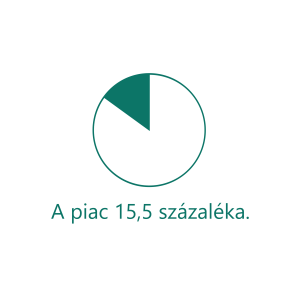
A 15.5% share
Energy drinks account for approximately 15.5% of Hungary’s non-alcoholic beverage market.
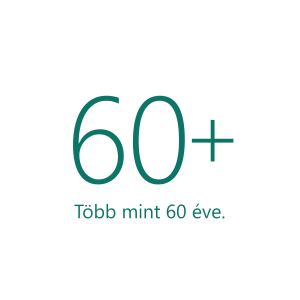
More than 60 years
Lipovitan D, the first modern energy drink, appeared in Japan in 1962.
Editor: Hungarian Energy Drink Association · Page updated: 23 September 2026.